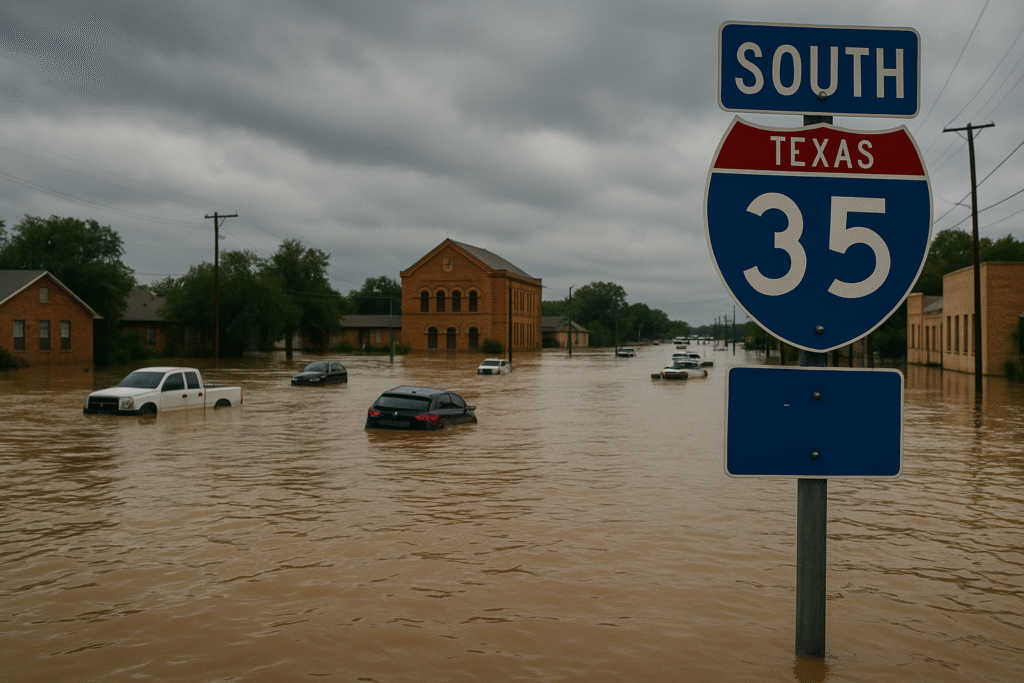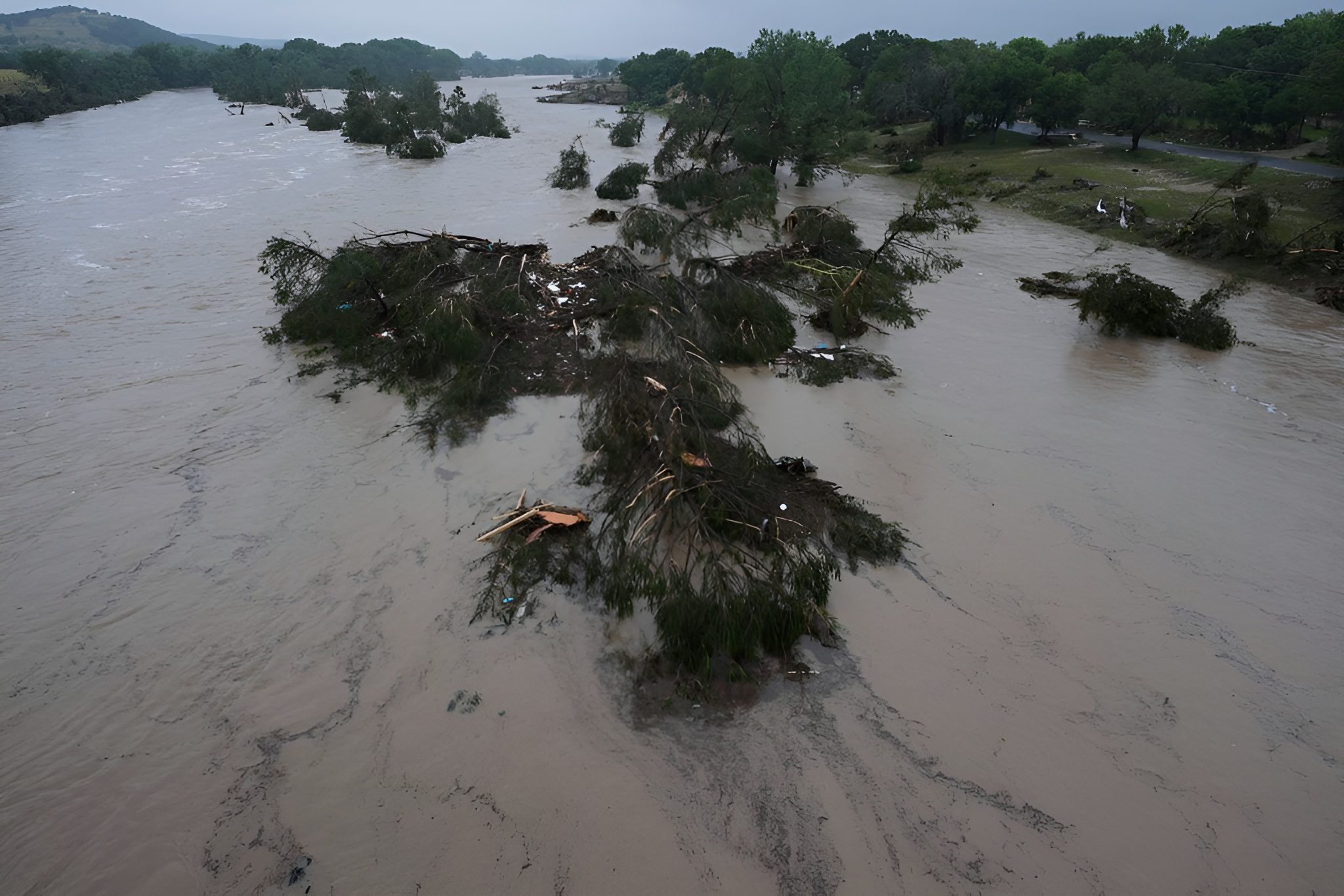

Every year, severe weather in the United States causes sudden and dangerous flash floods. Unlike regular floods that take time to rise, a flash flood warning means that flooding is happening or will happen quickly in your area. These warnings are important alerts from the National Weather Service (NWS) that give people time to keep themselves and their families safe.
In this blog, we’ll talk about everything you need to know about flash flood warnings, why they are important, how they are sent out, and what steps you should take if one is issued in your area.
What is a Flash Flood Warning?
A flash flood warning is an official message from the National Weather Service that flash flooding is either happening now or is expected to begin soon.
This is more serious than a “flash flood watch,” which just means that the conditions are right for a flood to happen.
When you see a flash flood warning in the USA, it means:
- Water levels are rising very fast.
- Roads, rivers, and low areas are already flooded or will be soon.
- You need to take action right away to keep people and property safe.
Why Flash Floods Are So Dangerous
Flash floods are one of the most deadly natural disasters in the United States.
Here’s why:
Speed: Floodwaters can rise in just minutes, giving people very little time to get out of the way.
Force: Just 6 inches of moving water can push an adult down, and 12 inches can carry away most cars.
Unpredictability: Cities, deserts, and mountain areas are especially at risk, and floods often hit when people are least expecting them.
Infrastructure Damage: Bridges, roads, and power lines can be damaged or destroyed very quickly during heavy flooding.
Flash Flood Warning vs. Flash Flood Watch: Understanding the Difference
It’s really important to know the difference between two alerts that are given in the United States:
Flash Flood Watch → The weather is setting up in a way that could cause flash flooding.
You should stay alert, keep an eye on the forecast, and get ready.
Flash Flood Warning → Flooding is happening right now or will happen very soon.
You need to take action immediately and move to higher ground.
Remember: A Watch means you should be prepared.
A Warning means you should act right away.
What Causes a Flash Flood Warning?
The National Weather Service (NWS) uses tools like radar, water level sensors, and reports from the public to decide when to issue a flash flood warning.
Some of the things that can lead to a warning are:
- Too much rain in a short time.
- Broken dams or levees.
- Quick melting of snow.
- Problems with city drainage systems.
When these situations happen, warnings are sent out through:
- TV and radio channels.
- NOAA Weather Radio.
- Phone alerts (Wireless Emergency Alerts).
- Social media updates.
What to Do When a Flash Flood Warning is Issued in the USA
If a flash flood warning is given for your area, time is very important.
Here’s what you should do right away:
Go to Higher Ground
Don’t wait to see if the water gets worse.
Leave your home and go to a safer place right away.
Don’t Drive in Flooded Areas
The slogan “Turn Around, Don’t Drown” is serious.
Most deaths from flash floods happen when people are in cars.
Stay Updated
Keep a working radio or your phone with you to get emergency information and updates.
Protect Your Family First
Don’t spend time getting your things.
Your safety is the most important thing.
Avoid Rivers, Streams, and Ditches
Even small streams can turn into dangerous floods very quickly.
Don’t try to cross them.
How to Prepare Before a Flash Flood Warning
Being ready can save lives.
Here are steps every American home should follow:
Make an emergency bag: Put in bottled water, food that doesn’t go bad, flashlights, batteries, and first aid items.
Learn your escape routes: Find roads that lead to higher areas where you can be safe.
Plan how your family will stay in touch: Agree on a meeting place if you get separated.
Keep up with the weather: Use weather apps or sign up for news about emergencies in your area.
Check your insurance: Regular home insurance usually doesn’t cover flood damage.
Look into the National Flood Insurance Program (NFIP).
Areas in the USA Most at Risk of Flash Floods
Flash floods can happen anywhere, but some places are more likely to experience them:
Southwest (Arizona, New Mexico, Nevada): The dry land can’t soak up rain quickly.
Southeast (Florida, Louisiana, Texas): Storms and hurricanes often bring sudden floods.
Appalachian Mountains: Narrow valleys speed up rainwater movement, leading to fast floods.
Midwest River Valleys: Heavy rain from thunderstorms can flood rivers and streams quickly.
Flash Flood Statistics in the USA
Flash floods kill more people in the U.S. each year than tornadoes, hurricanes, or lightning.
About 75% of flash flood deaths happen at night when people can’t see the water rising.
Almost half of the deaths happen in cars when drivers try to drive through flooded roads.
These numbers show why it’s so important to take a flash flood warning seriously.
Final Thoughts
A flash flood warning is not just a regular weather message—it’s a serious signal to take action.
The U.S. has hundreds of flash floods every year, and they are one of the biggest hidden dangers.
Being informed, having a plan, and reacting fast can save lives.
Remember this rule: If you get a flash flood warning—act right away, move to higher ground, and never try to drive through floodwater.